You reach down to pick up a toy, and your dog freezes. Their eyes go hard, their lip curls, and a low rumble comes from their chest. It is a scary moment. While some trainers suggest tossing treats to 'change the mood,' many owners worry this feels like rewarding the aggression. In a balanced training model, we take a different approach: clear structure, safety via tools, and earning resources.
The Warning Signs (Before the Bite)
Dogs rarely bite 'out of nowhere.' They give a ladder of warnings before they snap. If you miss these subtle signs, you might push the dog too far.
Watch for the 'Freeze.' Before a dog growls, they will often go completely still over the item. Their body stiffens. You might see 'Whale Eye' (where they look at you without turning their head, showing the whites of their eyes). If you see a freeze, stop immediately. Do not reach for the item with your hand.
Why We Don't Punish the Growl
It is tempting to yell 'NO!' when a dog growls. However, balanced trainers advise against correcting the noise itself. The growl is a warning system like a smoke alarm. If you punish the growl, you take the batteries out of the alarm.
The result? A 'Silent Biter.' The dog still feels insecure, but they have learned not to warn you. The next time they feel threatened, they will skip the growl and go straight to the bite. We want the dog to communicate, but we will change the outcome of that communication.
The Tool: The 'Drag Leash' (Safety First)
You cannot train a resource guarder if you are afraid of being bitten. To keep everyone safe, your dog should wear a lightweight 'drag leash' (a standard leash with the handle cut off or a light line) inside the house while supervised.
This tool bridges the gap. It allows you to control the dog from 6 feet away, keeping your hands out of the 'bite zone' while still maintaining leadership.
Safety Warning: The Risk of Redirection
Be aware that when you apply tension to the leash, a frustrated dog may spin around and snap at the leash or your hand. This is called redirection. To stay safe, never wrap the leash around your hand. Keep your arm extended fully away from your body so the dog cannot reach you if they turn. Crucially, if they do redirect, do not drop the leash. If you release the pressure when they snap, you teach them that aggression works to stop the pressure. Maintain steady tension until they stop thrashing, then release immediately once they calm down.
The Protocol: Disengage, Then Reward
Instead of bribing the dog with a treat while they are guarding (which risks rewarding the growl), we use Negative Reinforcement followed by Positive Reinforcement.
1. The Claim: If the dog freezes or growls, calmly pick up the end of the drag leash. Do not speak. Apply steady, gentle pressure to guide the dog away from the item. You are not fighting them; you are simply making the space around the item unavailable.
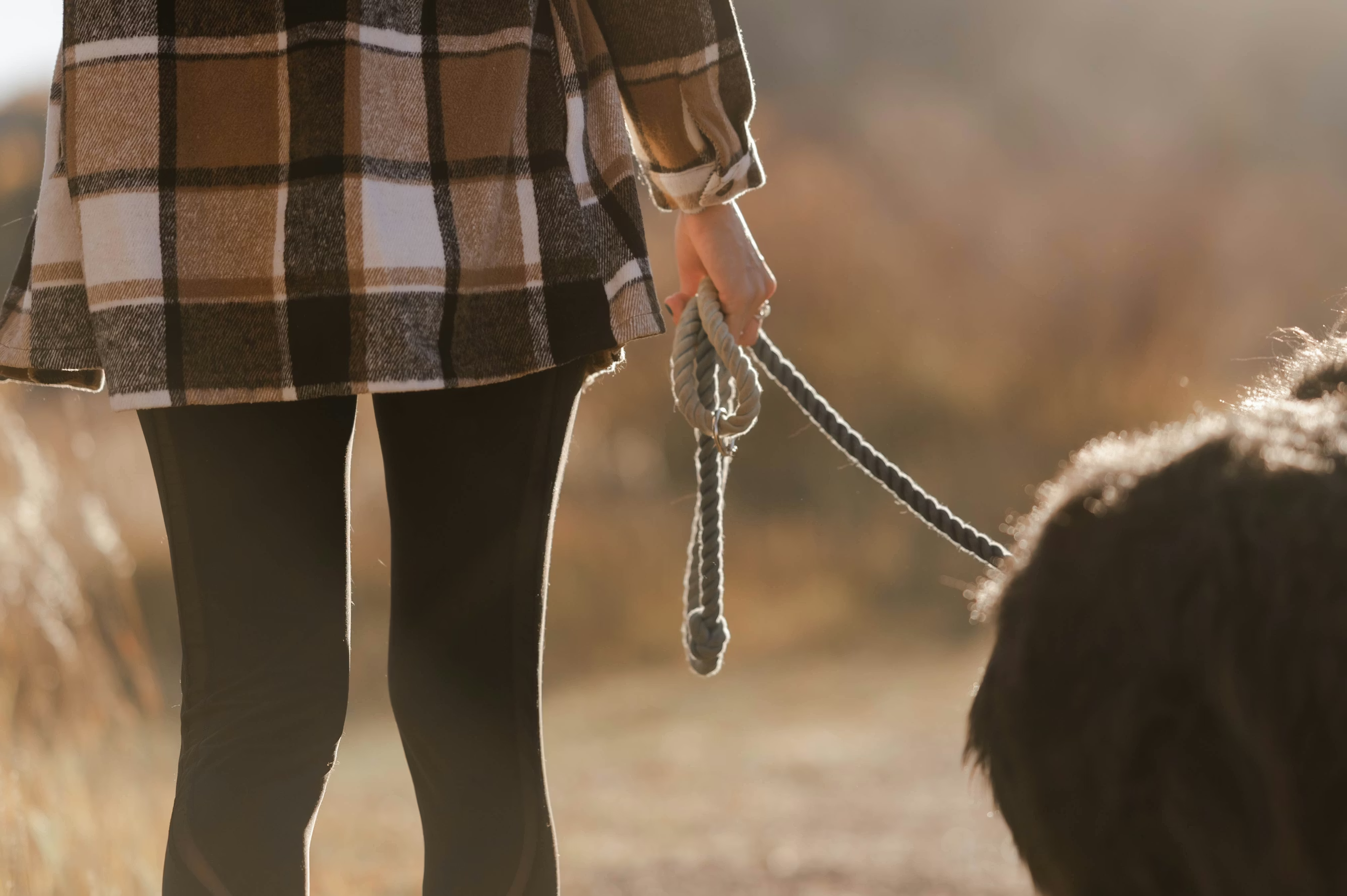
2. The Release: As soon as the dog yields to the pressure and moves away from the item, release the tension on the leash immediately. This is the 'Negative Reinforcement'. The pressure stops when they comply.
3. The Obedience: Now that the dog is away from the item and the drive has dropped, ask for a 'Sit.' When they sit and look at you, now you mark ('Yes!') and reward with a food treat. You are rewarding the obedience that happened away from the item, not the guarding behavior.
Structure: Nothing in Life is Free
Resource guarding often stems from a lack of clarity about who owns the resources. Implement a strict 'Nothing in Life is Free' protocol. The dog must 'Sit' or 'Place' before getting anything—food, open doors, or affection.
Additionally, stop leaving high-value items (bones, toys) lying around. These are now 'controlled substances.' The dog only gets them when you give permission, ideally on their Place Bed. If they leave the Place, the item is removed. This teaches them that the only way to have the resource is to follow the rules.
A Note on Patience
This approach takes time. By calmly removing the dog from the situation every time they guard, you teach them a valuable lesson: 'Guarding does not make me keep the item; it makes me lose the item.' Consistency is key. If you feel unsafe at any point, please consult a professional balanced trainer immediately.