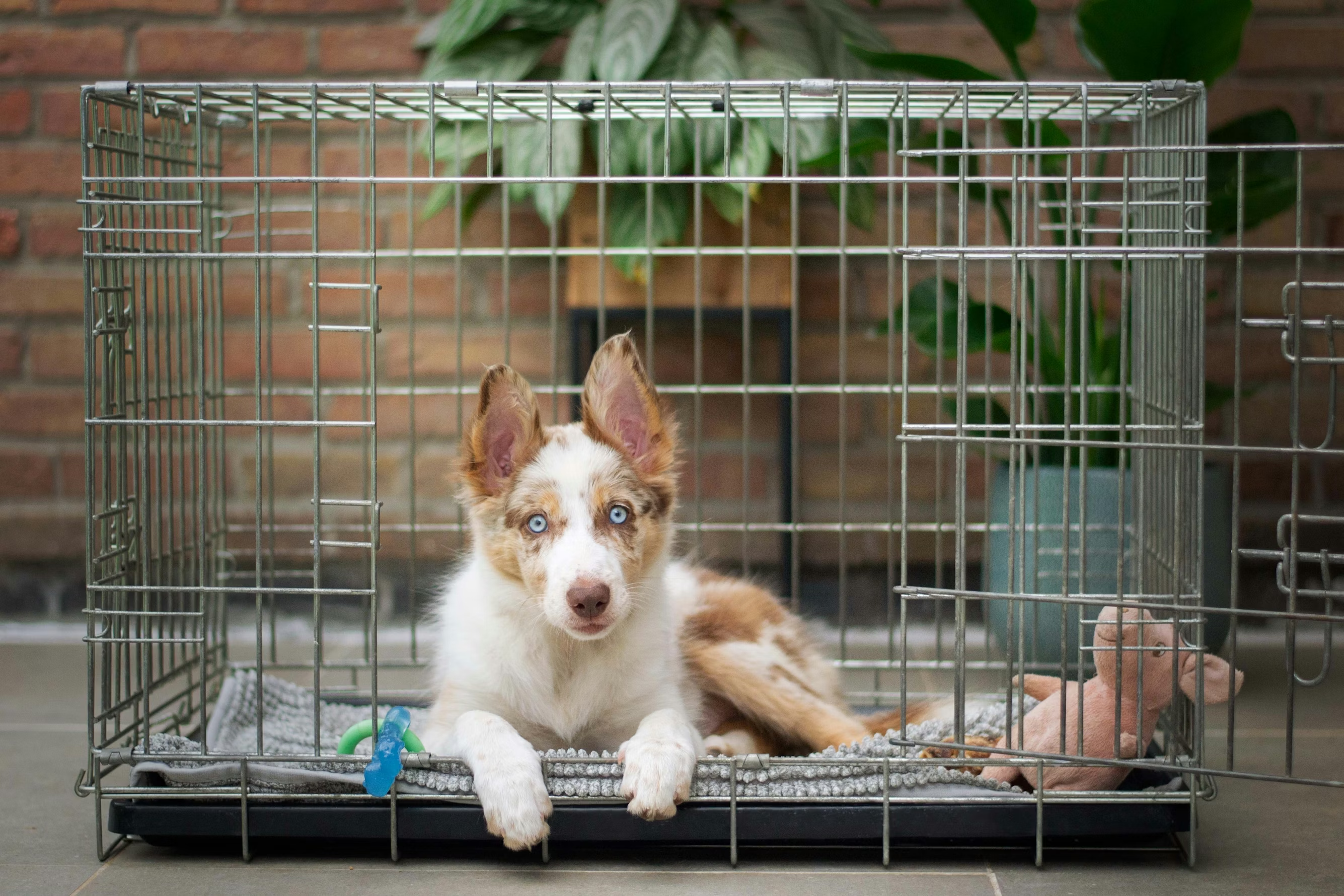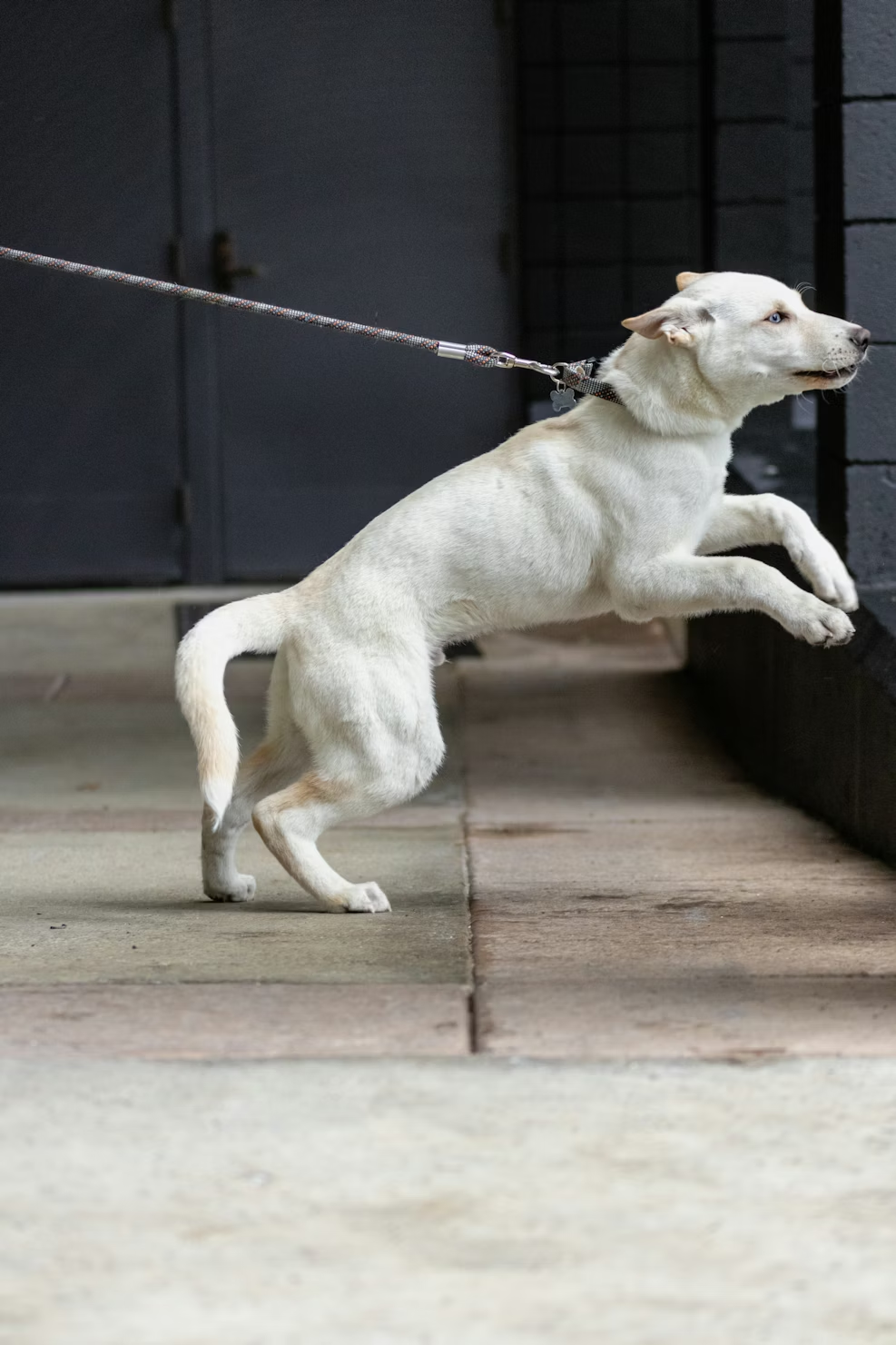
We have all done the 'walk of shame.' You are strolling peacefully, you see another dog, and suddenly your sweet pup transforms into a lunging, barking maniac. You drag them away while yelling, 'He's friendly, I swear!' This is called Leash Reactivity, and it is one of the most stressful behaviors an owner can deal with.
It Is Not Aggression; It Is Frustration
For 90% of dogs, this behavior isn't about wanting to fight; it's about 'Barrier Frustration.' Dogs greet each other naturally by circling and sniffing tails. A leash forces a head-on approach and removes their ability to move freely. It is unnatural. They feel trapped and frustrated because they want to say hi (or move away) but can't, so they explode with frustration.
Why Harnesses Can Make It Worse
If you have a reactive dog, a harness is often the wrong tool. Dogs have an 'opposition reflex'—if you pull back on their chest, they instinctively pull forward harder. A harness allows them to put their full body weight into the lunge, giving them all the leverage and you zero control.
The Right Tools: Communication, Not Restraint
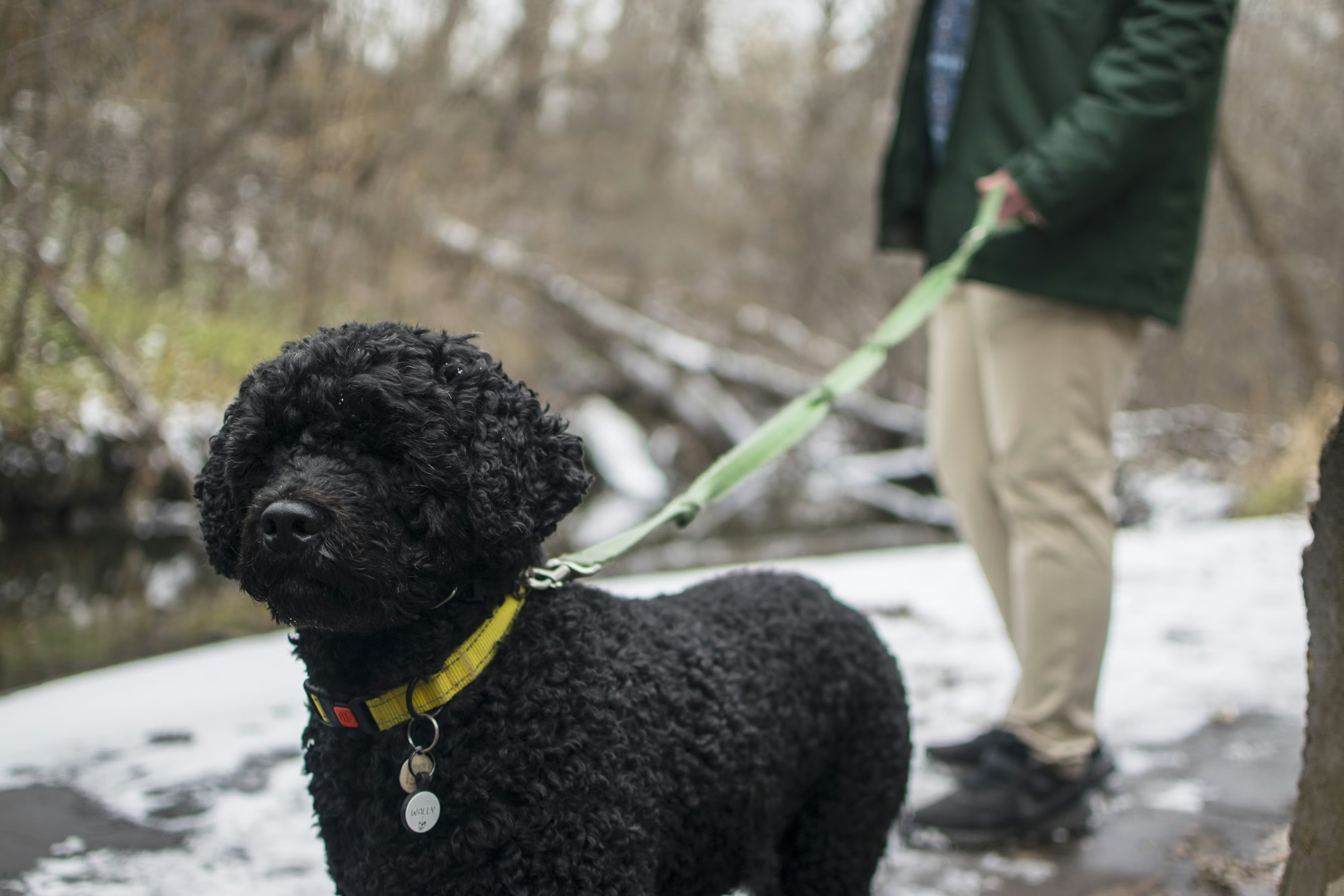
To stop reactivity, you need a tool that provides clear communication, not just physical restraint. For mild pullers, a Martingale Collar ensures they can't slip out while providing gentle feedback. For larger, stronger, or more stubborn dogs, a Starmark Collar (plastic pinch) or a Herm Sprenger Prong Collar allows you to communicate with a fingertip rather than your entire bicep.
These tools mimic the correction a mother dog gives a puppy—a quick nip on the neck to say 'knock it off.' It isn't about pain; it's about breaking their fixation so they can hear you again.
The Strategy: Distance is Your Friend
You cannot train a dog that is already losing its mind. The moment you see a trigger (another dog), create distance. Cross the street or turn around before your dog reacts. Mark and reward them for looking at you instead of the other dog. Over time, you can decrease the distance as they learn that seeing another dog means 'look at my owner,' not 'scream my head off.'
If you want to see these techniques in action, we highly recommend the No Bad Dogs YouTube Channel. Tom Davis provides excellent, real-world examples of how to correctly use tools to stop reactivity effectively.