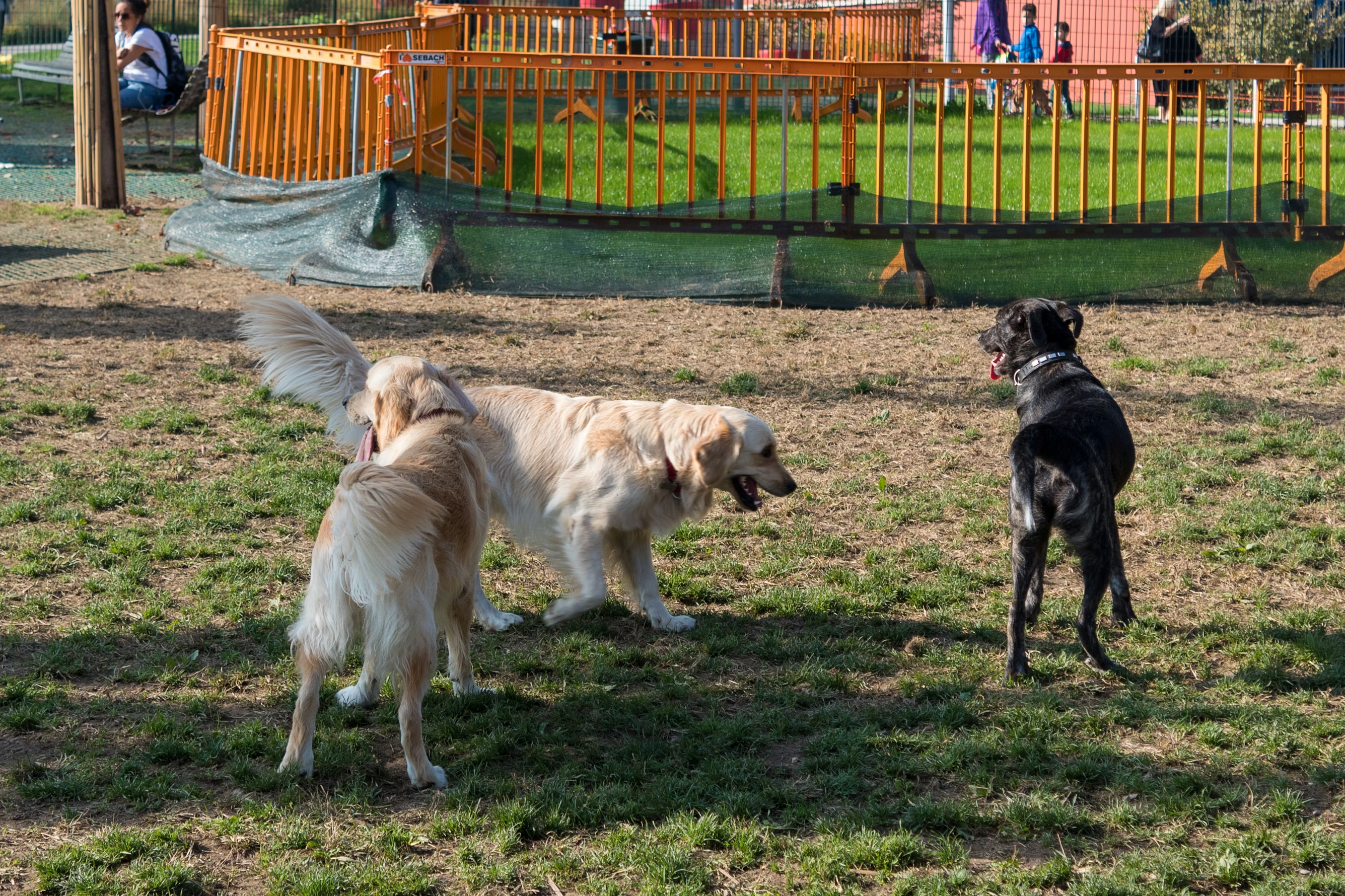
For many city dwellers, the local dog park is a daily ritual. It is a place to let your dog run off-leash and socialize while you chat with neighbors. However, ask a veterinarian or a professional dog trainer about dog parks, and you will often get a grimace. The reality is that dog parks are the 'Wild West' of canine socialization.
The Disease Factor
Dog parks are high-traffic zones for germs. Even if your dog is vaccinated, they are entering a petri dish of parasites (like Giardia and Hookworms) and viruses (like Kennel Cough or Canine Influenza). Puppies under 4 months old should never enter a dog park, as their immune systems are not fully developed to handle the viral load found in the soil and water bowls.
The 'Bully' Dynamic
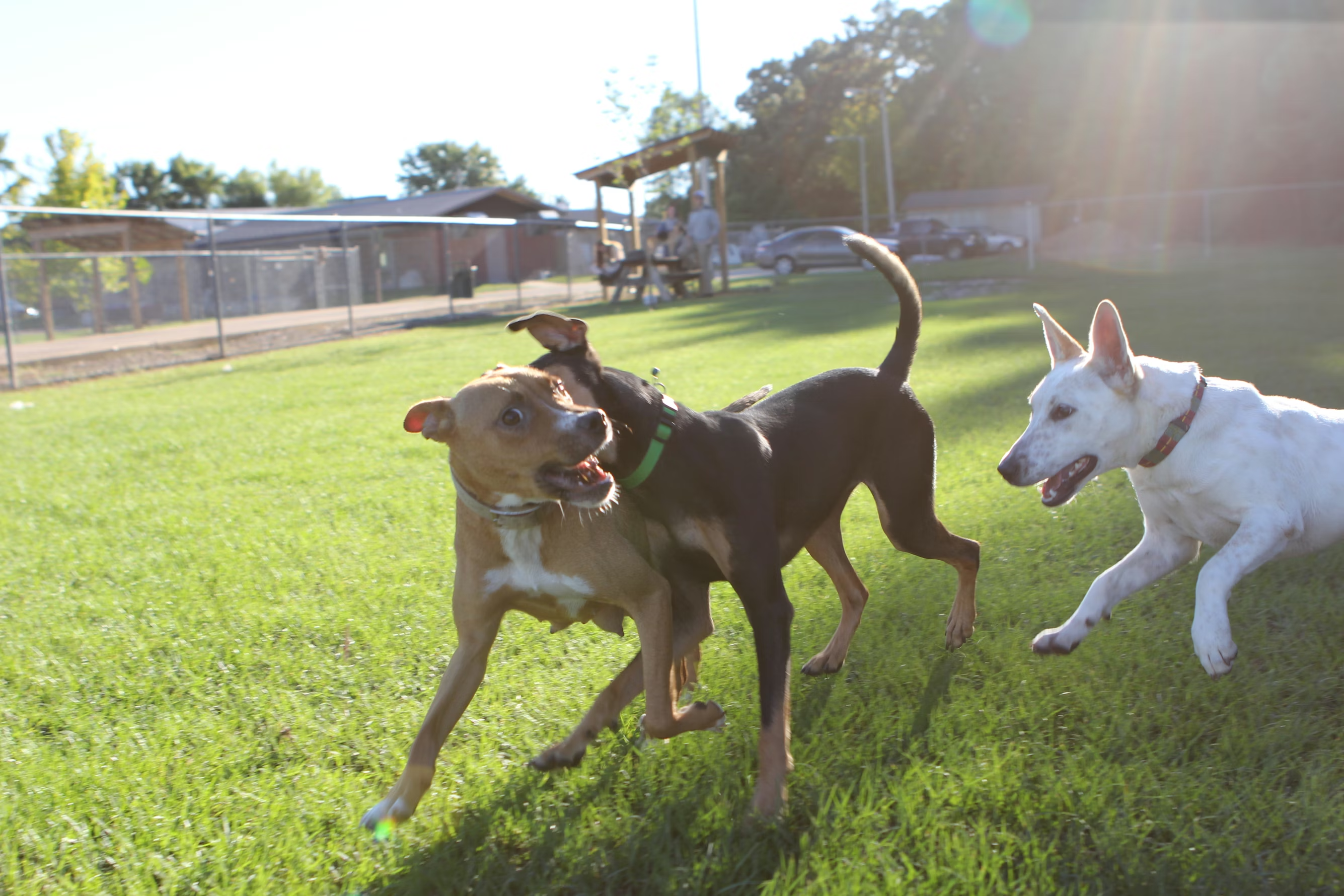
In a controlled setting (like doggy daycare), professionals separate dogs by size and temperament. In a public park, a 5-pound Chihuahua might be in the same enclosure as a high-prey-drive Husky. Bullying is common, and many owners mistake aggression for 'playing.' If a dog is being chased by a pack and its tail is tucked, it is not having fun; it is being hunted.
Human Error
The biggest danger in a dog park is usually the humans. Many owners treat the park as a time to check their phones rather than supervise their pets. If an owner isn't watching, they can't intervene before a play bow turns into a fight. A safe dog park requires active, vigilant supervision from everyone.
Know Your Dog
Dog parks are not for every dog. If your dog is resource-guarding (possessive of toys), fearful, or overly dominant, the park will likely make those behaviors worse, not better. There is no shame in skipping the park and opting for a long leash walk or a playdate with a known dog friend instead.

